
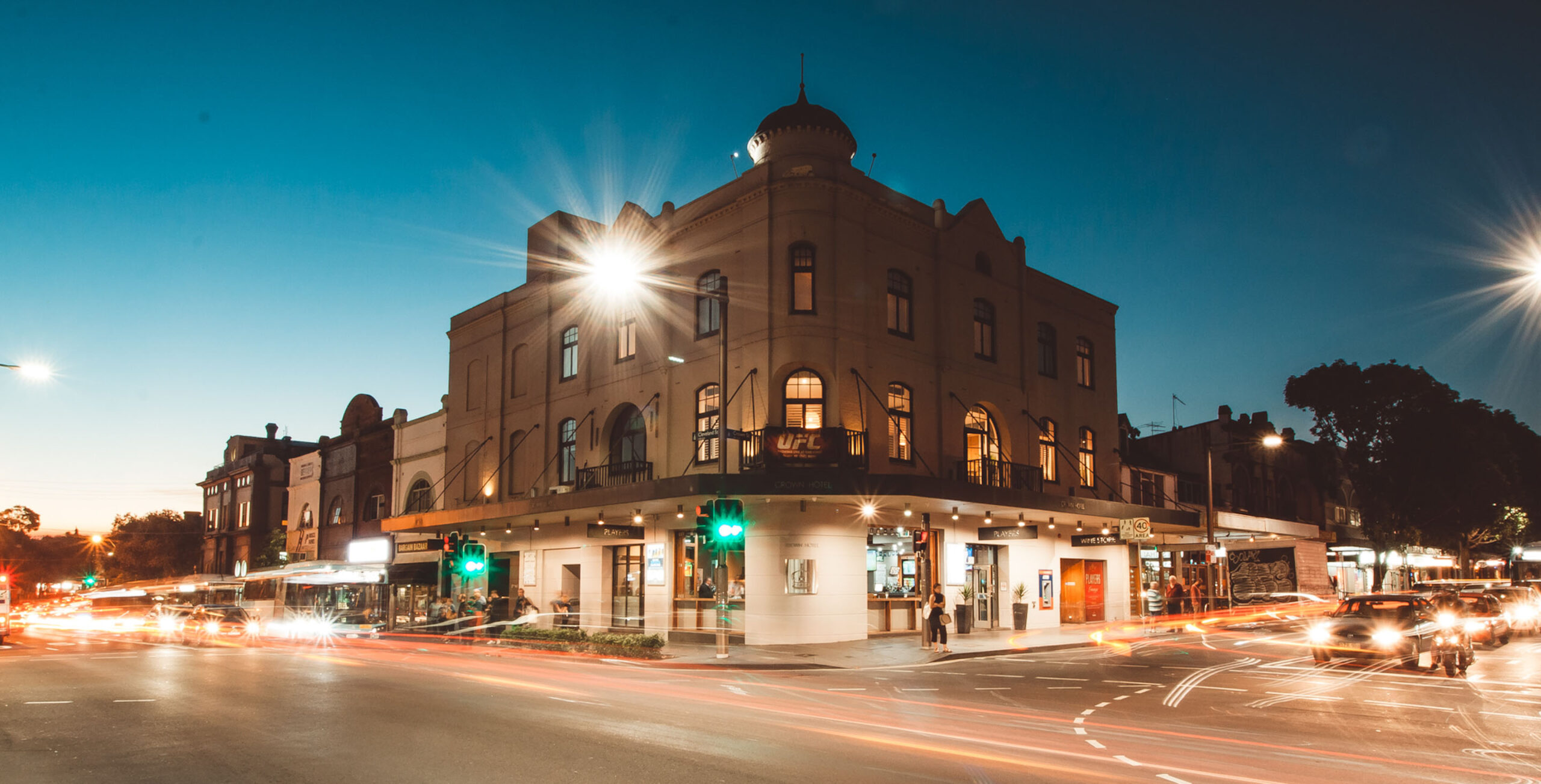
A local-feeling Sydney weekend does not require pretending to be a resident. It requires paying attention to the ordinary rhythms that sit beside major attractions: morning coffee queues, dogs in pocket parks, evening tables filling and shopkeepers greeting familiar customers. A small hotel can support that experience because it encourages guests to focus on one neighbourhood in detail rather than treating the city as a checklist.
Choose the base by asking what should happen within ten minutes of the door. Breakfast, a late drink, a useful shop and a pleasant walking route are stronger indicators than a long list of facilities. A boutique hotel in Surry Hills can offer access to a dense mix of streets and venues, but each location has its own balance of noise, slope and transport. Reading recent practical information helps set realistic expectations.
The first local habit to borrow is repetition. Visit the same café twice, walk one street at different times or return to a shop after considering a purchase. Repetition reveals details missed during a single pass and reduces the pressure to chase constant novelty. Staff may recognise a returning face, and the visitor begins to understand how the area changes from morning to evening.
Small businesses reward curiosity and courtesy. Ask concise questions when staff have time, notice house specialities and accept that the best choice may not be the most photographed one. Independent shops often carry work with a connection to local makers or particular communities. Purchases should be thoughtful rather than automatic. A useful object, book or food item can hold more meaning than a generic souvenir.
A neighbourhood weekend also needs empty space. Instead of booking every meal, leave one lunch or evening open and decide after walking. A park bench, gallery visit or quiet hour at a boutique hotel in Surry Hills can restore energy and make the next outing more enjoyable. Flexibility is especially helpful when weather changes or a venue is unexpectedly busy. Current opening details should always be checked directly.
Use public transport selectively rather than avoiding it. A short trip can connect the neighbourhood with another part of Sydney, while walking the return route may reveal the transition between districts. The aim is not to remain within an artificial boundary. It is to keep the accommodation as a clear anchor, so each excursion begins and ends with familiar streets rather than constant packing and navigation.
Food is one of the easiest ways to deepen the experience. Mix a planned dinner with a casual counter meal, fresh produce, a bakery stop and something taken back to the room. Observe serving sizes before ordering widely, and avoid turning every snack into content for a schedule. Meals become more memorable when they fit the pace of the day. A conversation or unexpected recommendation can redirect the plan.
Hotel staff can be useful guides when questions are specific. Instead of asking for the best restaurant, describe the desired mood, budget range or walking distance. Recommendations are more helpful when they reflect the evening rather than an abstract ranking. Travellers should still confirm availability and opening hours themselves. The exchange works best as local orientation, not a guarantee, and it can point towards streets or venues that would otherwise be missed.
A local weekend also benefits from respectful timing. Residential streets are not entertainment zones at every hour, and busy venues may need patience. Keeping noise low on the walk back, following booking rules and treating shared spaces carefully allows visitors to enjoy the neighbourhood without diminishing it.
On the final morning, take one last loop
without a destination. Notice what has become familiar and what still invites a
return. Staying at a boutique hotel in Surry Hills can make a large city feel
manageable because the weekend develops around a small, coherent area. The
local quality comes from attention, not access to secret places. Travellers
leave with a clearer memory of streets, people and routines, rather than a
blurred collection of landmarks.







.jpg)
0 Comments